
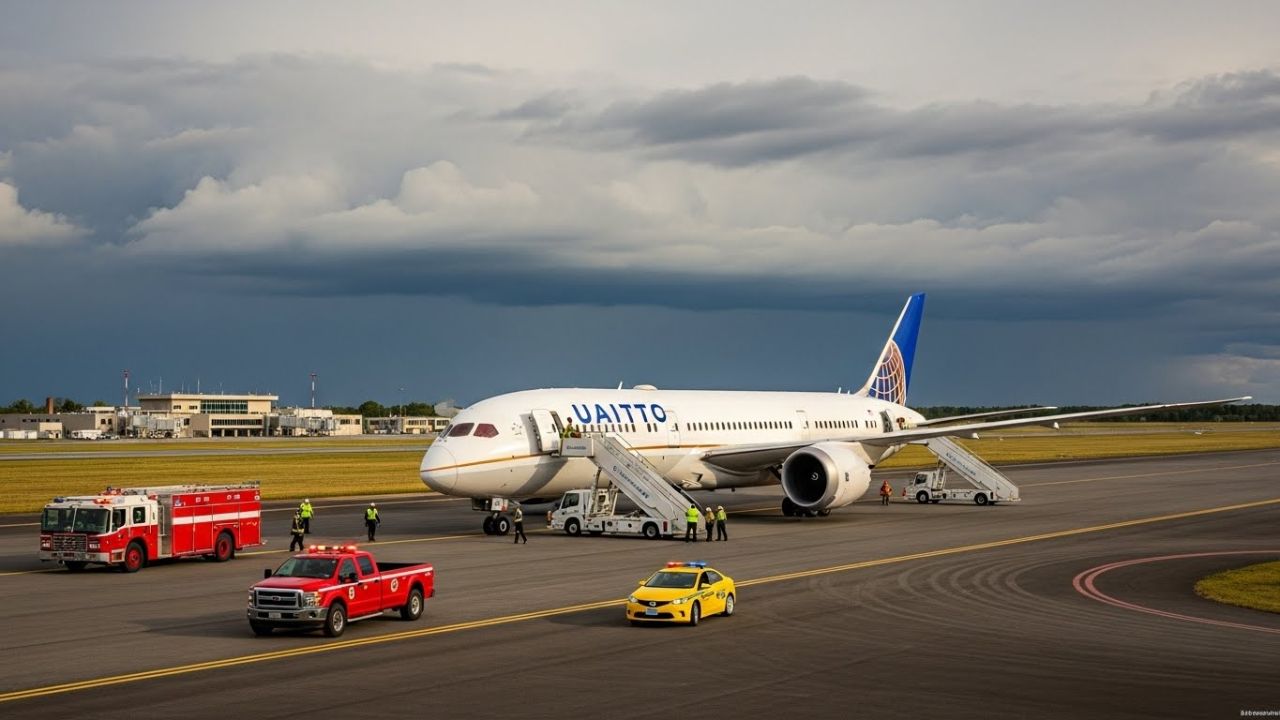
Introduction to the Incident on United Airlines Flight UA770
On a seemingly routine flight, United Airlines Flight UA770 transformed into an unexpected tale of urgency. Passengers settled in for their journey, but what unfolded was far from ordinary. An emergency diversion became the focal point of attention as the plane altered its course mid-air. The incident sparked curiosity and concern among travelers and aviation enthusiasts alike.
As details emerged, questions lingered: What led to this sudden change? How did the airline respond? And what do experts say about the event that sent shockwaves through both passengers on board and those monitoring from afar? This blog post delves deep into the events surrounding UA770’s emergency diversion, uncovering first-hand accounts, expert opinions, and lessons learned along the way. Buckle up as we explore what really happened on that fateful flight.
The Initial Report and Response from United Airlines
United Airlines quickly issued a statement following the emergency diversion of Flight UA770. The airline confirmed that the flight was en route to its destination when an undisclosed issue arose, prompting the captain to make a precautionary landing.
Passengers were informed about the situation as soon as possible. United emphasized their commitment to safety and assured travelers that they would be taken care of after landing. This proactive communication helped alleviate some initial concerns among those onboard.
Ground crews were ready at the diversion airport, providing assistance and support for all passengers and crew members upon arrival. United Airlines also mentioned in their report that they would cooperate fully with any investigations related to this incident.
The swift response highlighted both operational readiness and concern for passenger welfare during such unforeseen circumstances.
Passenger Accounts of the Incident
Passengers aboard United Airlines Flight UA770 were understandably shaken during the emergency diversion. Many recounted a sudden drop in altitude, followed by an announcement from the cockpit that ignited anxiety among those onboard.
One traveler described how confusion spread swiftly through the cabin. Concerned glances were exchanged as flight attendants moved up and down the aisles, ensuring safety protocols were being observed.
Others recalled feeling a mix of fear and uncertainty as they braced themselves for an unexpected landing. Some passengers took to social media mid-flight, sharing their experiences in real-time with friends and family.
In stark contrast, several individuals expressed admiration for the crew’s professionalism under pressure. They noted how calm announcements helped to ease tension amid chaos. Each story painted a vivid picture of resilience amidst potential disaster on UA770, highlighting human emotions faced during critical moments at 30,000 feet.
Investigation Findings: What Really Happened on UA770?
The investigation into United Airlines Flight UA770 revealed a complex series of events. Preliminary findings indicated that an alert was triggered by unusual readings from the aircraft’s systems.
Technical analysis showed no immediate mechanical failures. Instead, it appeared to be a combination of misinterpretations and environmental factors contributing to the emergency diversion.
Flight data records highlighted minor fluctuations in cabin pressure but nothing alarming enough to justify such drastic measures initially taken. Experts noted that pilot training played a crucial role in managing the situation effectively.
Communication between crew members was pivotal during this incident. Their ability to stay calm under pressure ensured passenger safety throughout the ordeal.
Furthermore, air traffic control protocols were scrutinized for their response time and decisions made as circumstances unfolded. This event pushed for deeper insights into flight safety practices, emphasizing ongoing improvements within airline operations moving forward.
Reactions from Aviation Experts and Passengers
Aviation experts reacted swiftly to the emergency diversion of United Airlines Flight UA770. Many expressed concern over the increasing frequency of such incidents. They emphasized the need for robust safety protocols and regular training for crew members.
Passengers aboard UA770 shared a mix of shock and relief. Some praised the flight attendants for their professionalism during a tense situation, while others recounted moments of fear as they faced uncertainty about what was happening.
Social media buzzed with both criticism and support. Many users questioned airline safety standards, while others acknowledged that emergencies can occur despite rigorous preparations.
The incident sparked discussions among industry insiders regarding aircraft technology advancements. Experts debated whether enhanced communication systems could have mitigated anxiety among passengers in real-time, keeping them informed throughout the ordeal.
Impact on United Airlines and Airline Industry Regulations
The emergency diversion of United Airlines Flight UA770 sent shockwaves through the aviation community. Such incidents often trigger scrutiny not just for the airline involved but across the industry.
United faced intense media coverage, increasing pressure to demonstrate safety protocols. This incident prompted a review of their operational procedures and communication strategies during crises.
Regulatory bodies are likely to revisit existing guidelines on in-flight emergencies. Enhanced training requirements for cabin crew could emerge as a response, ensuring that they are better equipped to handle unexpected situations.
Passengers have started advocating for more transparency regarding flight safety measures. Their voices may lead airlines to adopt stricter compliance checks and risk assessment protocols.
This event underlines the delicate balance between operational efficiency and passenger security within the airline industry landscape. As companies strive for innovation, safety must remain paramount at all levels.
Lessons Learned and Future Precautions
The emergency diversion of United Airlines Flight UA770 has sparked important conversations about safety protocols. This incident highlighted the need for airlines to continually assess their operational procedures.
One key lesson is the necessity of clear communication among flight crews and ground control. A unified response can significantly improve outcomes during emergencies.
Training programs will likely evolve, emphasizing situational awareness under stress. Real-life simulations could better prepare staff for unexpected events.
Passenger preparedness is another area needing focus. Encouraging travelers to familiarize themselves with safety instructions may enhance overall cooperation in crisis situations.
Technology also plays a crucial role in future precautions. Enhancements in aircraft monitoring systems could detect issues earlier, enabling timely interventions when problems arise on board.
These adjustments aim not only to enhance safety but also restore passenger confidence in air travel moving forward.
Conclusion
The incident involving United Airlines Flight UA770 serves as a stark reminder of the complexities and unpredictabilities of air travel. As passengers shared their experiences, it became clear that emotions ran high during the emergency diversion. The swift response from both crew and ground control played a crucial role in ensuring everyone’s safety.
A thorough investigation revealed key factors contributing to the decision to divert. Understanding these elements is vital not only for United Airlines but also for the entire aviation industry. Lessons learned from this event will undoubtedly shape future protocols and enhance overall passenger safety.
As we reflect on what happened with UA770, we are reminded of the importance of preparedness in aviation. Each incident provides an opportunity to improve systems and safeguard those who take to the skies. Passengers can feel confident knowing that airlines continuously strive for excellence in safety measures, making air travel one of the safest modes of transportation available today.