
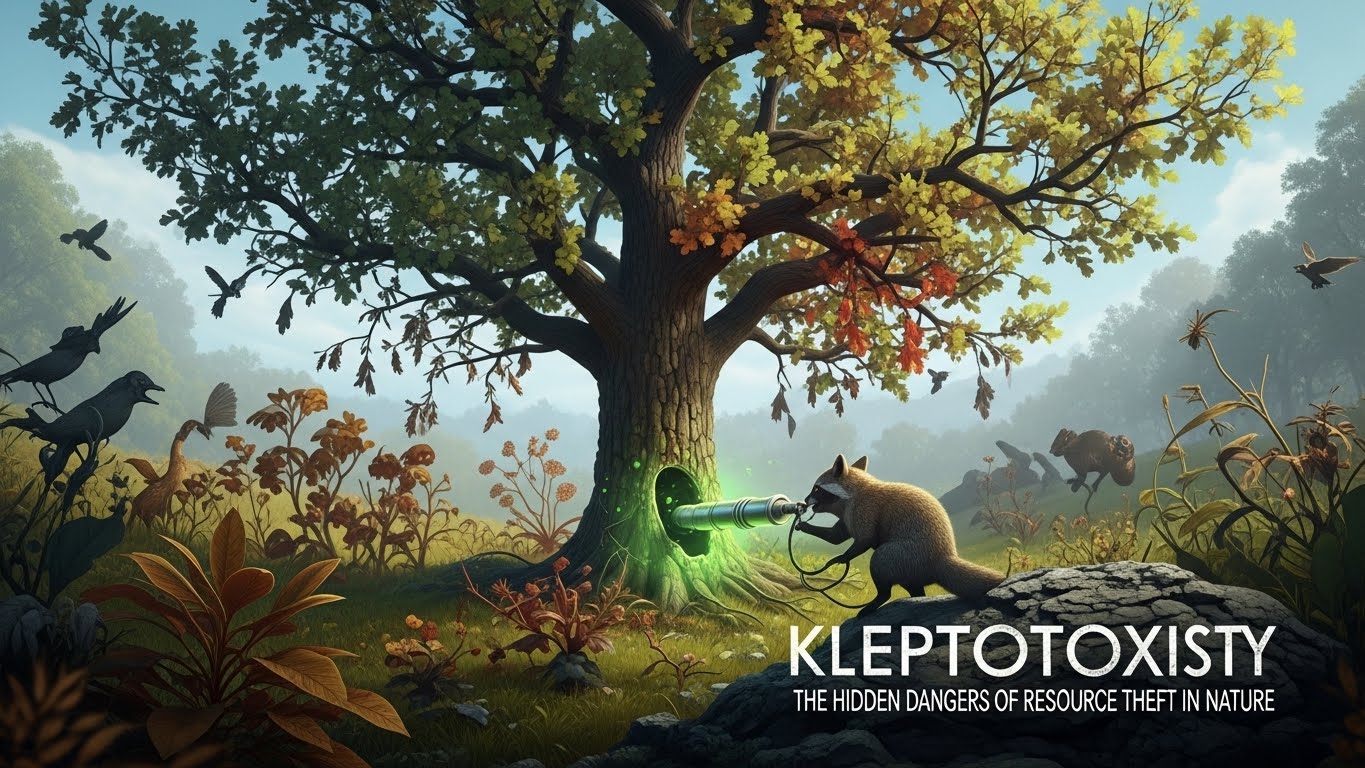
In the intricate web of life, every organism plays a role in maintaining balance within ecosystems. Yet, lurking beneath the surface is a phenomenon that often goes unnoticed: kleptotoxicity. This term may sound complex, but it refers to something quite simple yet profoundly impactful—resource theft in nature and its toxic consequences. From birds stealing food from each other to sea creatures pilfering vital resources, kleptotoxicity can disrupt not just individual species but entire communities.
Why should we care? The effects ripple through ecosystems, affecting biodiversity and sustainability. As we delve deeper into this fascinating topic, we’ll explore common examples of resource theft and their harmful implications on our environment. Join us on this journey as we uncover how human activity contributes to this issue and discover strategies for mitigating its impact. Let’s shine a light on kleptotoxicity before it casts an even darker shadow over our natural world.
Common Examples of Resource Theft in Nature
Resource theft in nature takes many forms and is often quite fascinating. One common example involves the crafty thieving of eggs by certain bird species, like the notorious cowbird. They lay their eggs in other birds’ nests, leaving unsuspecting parents to raise their young.
In the ocean, kleptoparasitism occurs when one animal steals food from another. Seagulls are infamous for swooping down on unsuspecting seabirds carrying fish, snatching away a hard-earned meal.
Even among plants, resource theft can happen through root competition. Some invasive plant species outcompete native ones for sunlight and nutrients, effectively stealing resources that support local ecosystems.
These examples illustrate how pervasive kleptotoxicity is across different habitats. Throughout various environments, creatures adapt cunning strategies to survive by taking what others have worked hard to obtain. The intricate web of life continues to reveal unexpected interactions that challenge our understanding of natural balance.
How Resource Theft Can Have Harmful Effects on Ecosystems
Resource theft disrupts the delicate balance of ecosystems. When one species steals resources from another, it creates a ripple effect that can destabilize entire habitats.
For instance, if a dominant predator consumes food meant for other animals, it may lead to population declines in those prey species. This imbalance can alter vegetation patterns and influence soil quality over time.
Additionally, kleptotoxicity can introduce diseases or parasites when stolen resources are contaminated. The affected organisms suffer not only immediate harm but also long-term consequences that reverberate through their communities.
Species interactions become strained as competition intensifies for dwindling resources. The result? Ecosystems struggle to maintain their diversity and resilience, making them more vulnerable to further environmental changes and human impact.
The Impact of Human Activity on Kleptotoxicity
Human activities have significantly altered the dynamics of kleptotoxicity in ecosystems. Urbanization, agriculture, and industrial processes often lead to resource depletion. This makes it easier for species to engage in theft, disrupting natural balances.
Pollution further complicates matters. Contaminants can weaken prey species, making them more susceptible to predation or theft by stronger competitors. As a result, the cycle of kleptotoxicity intensifies.
Deforestation disrupts habitats and food sources as well. When animals lose their homes, competition rises over limited resources. This escalates conflicts among species vying for survival.
Additionally, climate change introduces unpredictability into ecosystems. Species must adapt quickly or risk extinction due to stolen resources becoming scarce or unavailable altogether. Such shifts challenge previously stable interactions between organisms within their environments.
Human influence exacerbates issues related to resource theft while placing immense pressure on delicate ecological systems.
Strategies for Mitigating Kleptotoxicity
Effective strategies for mitigating kleptotoxicity focus on education and awareness. Understanding the dynamics of resource theft in ecosystems is crucial. By informing communities about the consequences, we can foster a sense of responsibility toward natural resources.
Implementing conservation programs also plays a vital role. These initiatives often involve habitat restoration and protection efforts that aim to reduce competition for resources among species. When habitats thrive, there’s less incentive for theft.
Collaboration between scientists and local stakeholders is another powerful strategy. Engaging with those who live near affected areas ensures that solutions are tailored to specific ecological contexts.
Regulation helps too—enforcing laws against illegal resource extraction safeguards both wildlife and their environments.
Promoting sustainable practices encourages responsible use of resources across various sectors, from agriculture to tourism. This holistic approach can create lasting changes in how ecosystems function while minimizing harmful impacts.
Case Studies: Successes and Failures in Addressing Kleptotoxicity
One notable success in addressing kleptotoxicity occurred in the marine environment. Research on seabirds showed how protective measures led to a reduction in resource theft among species competing for fish. By implementing strict fishing regulations, certain populations thrived, demonstrating that careful management can foster healthy ecosystems.
Conversely, failures paint a different picture. In some forested regions, invasive species have outcompeted native wildlife for food resources. This has resulted in significant ecological damage as these invaders often employ aggressive tactics to steal vital nutrients from existing flora and fauna.
Another example highlights urban areas where human waste contributes to kleptotoxic behavior among raccoons and other scavengers. Efforts to secure trash bins met with mixed results; while some neighborhoods saw improvement, others struggled with compliance.
These case studies illustrate the complexity of managing kleptotoxicity within various environments and underline the importance of tailored strategies for each unique situation.
The Importance of Protecting Natural Resources from Theft
Protecting natural resources from theft is vital for maintaining ecological balance. When these resources are pilfered, entire ecosystems can suffer. Biodiversity diminishes, and species that rely on specific habitats may face extinction.
Moreover, the economic implications of resource theft extend beyond immediate losses. Communities dependent on sustainable practices find their livelihoods threatened when resources vanish. This creates a ripple effect that can destabilize local economies and exacerbate poverty.
The integrity of our environment hinges on stewardship. Unsanctioned exploitation disrupts not only wildlife but also human health and well-being. Clean water sources and fertile land become increasingly scarce when greed takes precedence over conservation.
Raising awareness about kleptotoxicity fosters a collective responsibility to safeguard what remains. It encourages individuals, communities, and governments to take proactive measures against resource theft, ensuring future generations inherit a thriving planet rich in biodiversity.
Conclusion
Kleptotoxicity is a complex and often overlooked phenomenon that showcases the delicate balance within ecosystems. Resource theft, whether among animals or plants, can lead to unexpected consequences that ripple through food webs and habitats. As we delve deeper into understanding the nuances of kleptotoxicity, it becomes evident that protecting natural resources from theft is crucial for maintaining ecological integrity.
Human activity exacerbates these issues, introducing new pressures on already vulnerable systems. However, knowledge is power. By employing effective strategies to mitigate kleptotoxicity and learning from past case studies, we can forge a path forward. This requires collaboration among scientists, conservationists, and policymakers to safeguard our planet’s rich biodiversity.
The fight against resource theft in nature isn’t just about preserving wildlife; it’s about ensuring a healthy environment for future generations. Emphasizing education and awareness will empower communities to take action against kleptotoxic behavior in their local ecosystems. The time has come to recognize the importance of every creature’s role in nature’s intricate tapestry—after all, when one thread frays due to theft or exploitation, the entire fabric may be at risk of unraveling. Protecting our shared planet begins with understanding these hidden dangers.